 Beyond Coordinates
Choosing a Provider
I had switched to a US-model iPhone XS. One major difference from the mainland China model is that the US model includes eSIM support, so testing that capability had been on my to-do list for some time.
I finally decided to try it. eSIMDB lists eSIM plans for many regions around the world, including China.
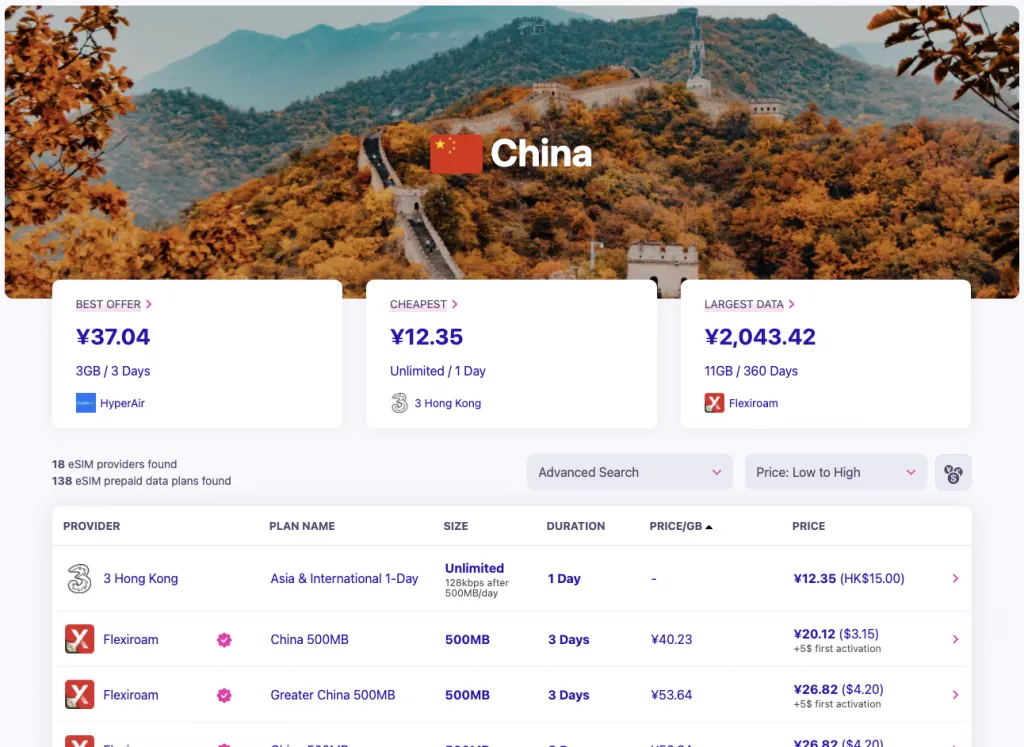
When buying a plan, pay attention to its coverage area. Some plans only provide service in the Pearl River Delta.
After comparing several providers, I chose 3 Hong Kong, which appeared first when sorting by price. It was not actually the cheapest: the plan cost HKD 10 per day and included 500 MB of data before throttling. The minimum initial purchase was HKD 50, or roughly CNY 40, so I bought five days of service. The days could be activated separately at any time within the six-month validity period.
Purchase
The purchase process was convenient and even supported Alipay. There were separate options for mainland Alipay and AlipayHK, which apparently operate as distinct systems.
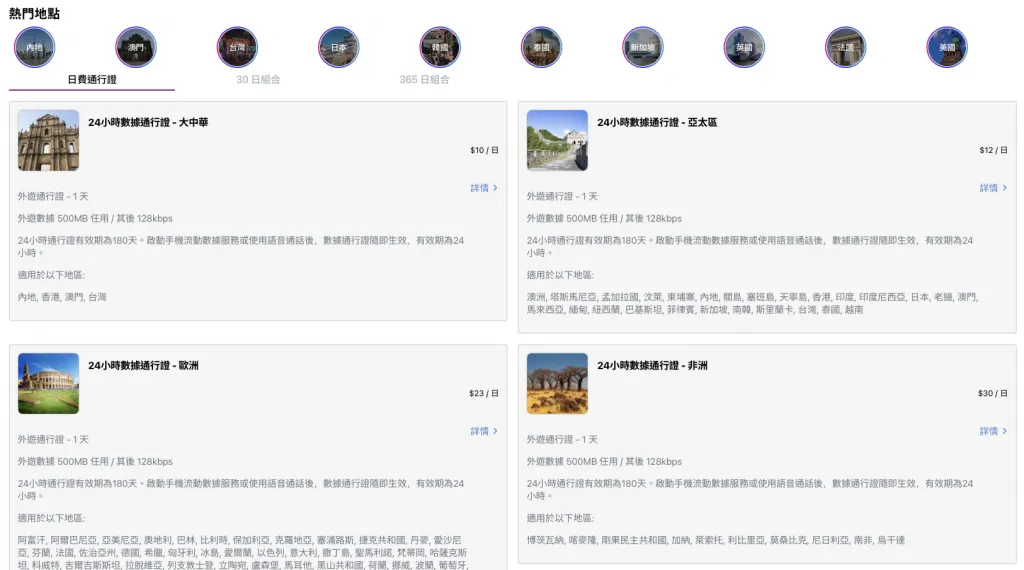
Either the Greater China or Asia-Pacific plan would work for me, so I placed the order.
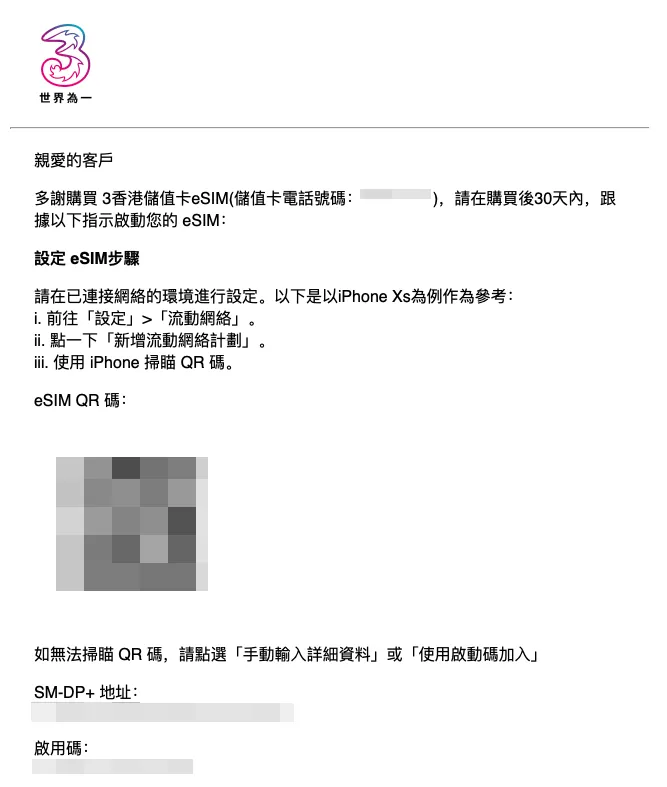
An activation email arrived after the purchase. This is one of the main advantages of an eSIM: a physical SIM would have to be shipped, and a provider might be reluctant to ship to China or the delivery might take too long.
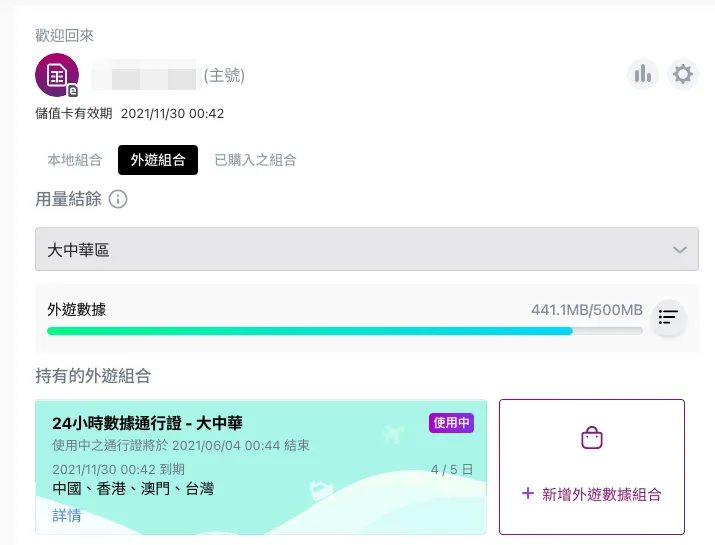
The remaining allowance can be checked on the provider’s website.
Activation
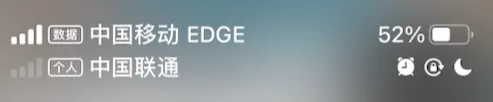
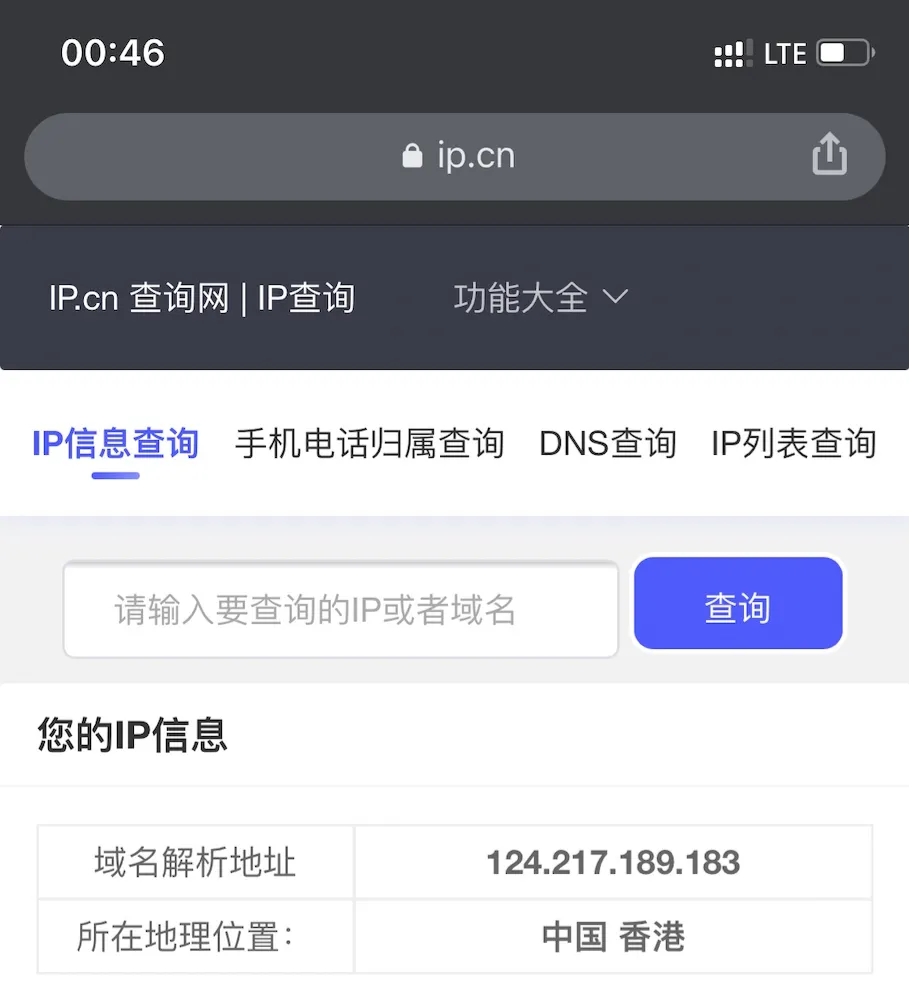
Testing Everyday Apps
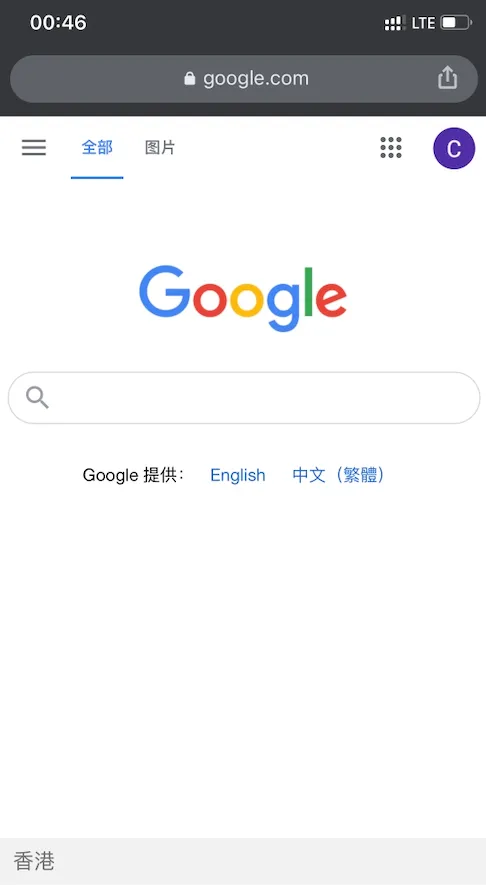
The first and most anticipated test was whether Google could be accessed without filtering:

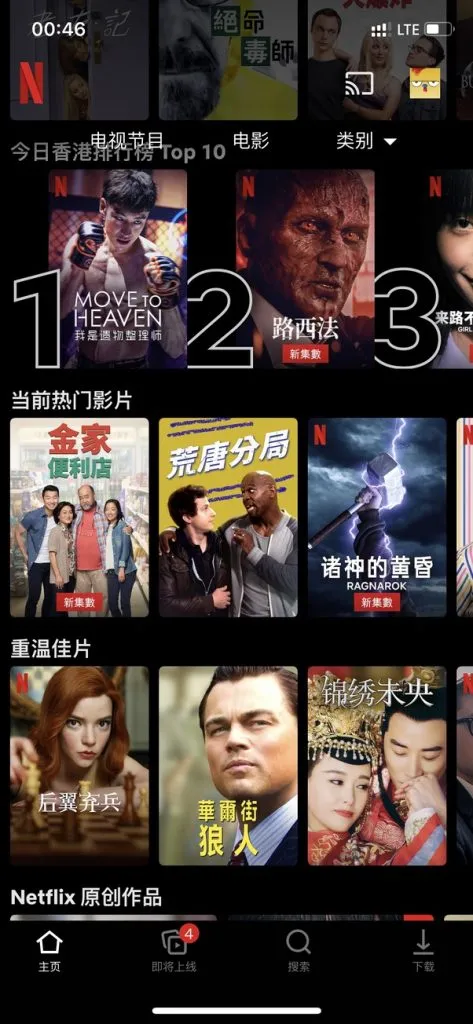
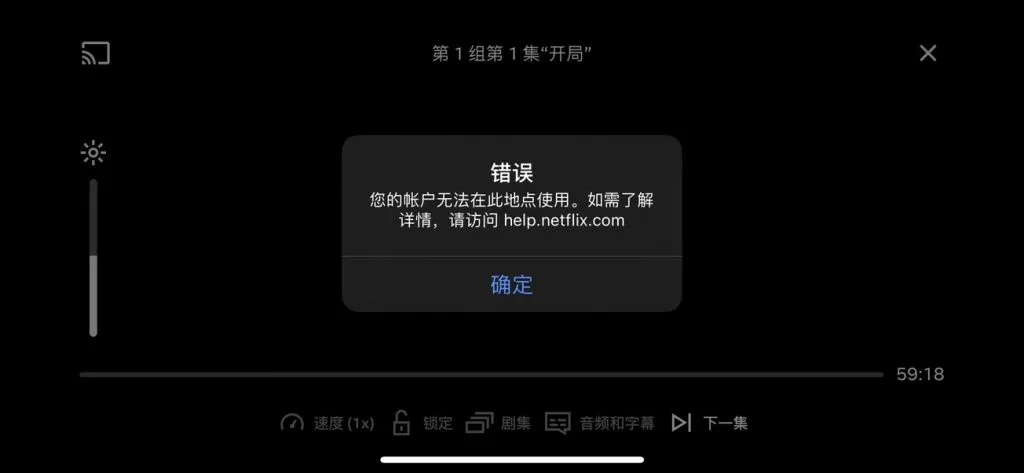

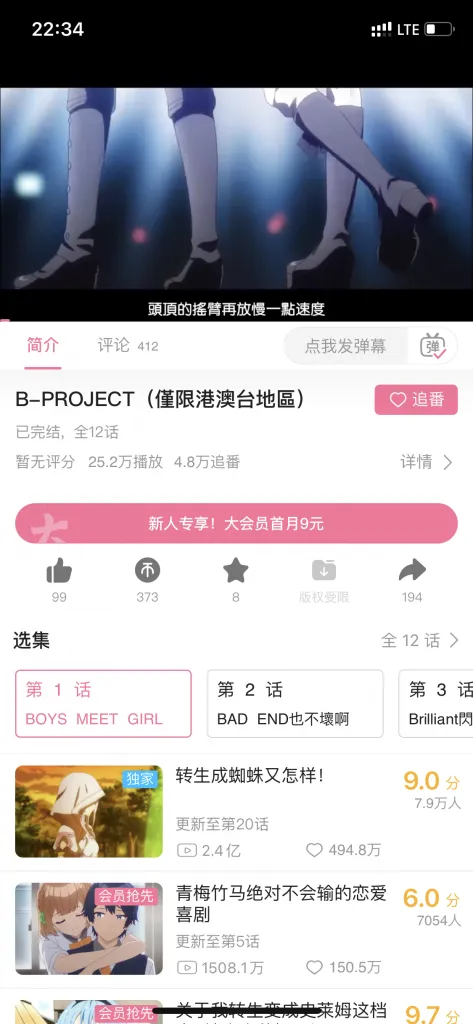
Netflix did not accept this eSIM connection, while Bilibili still worked.